
Bed bugs treatment
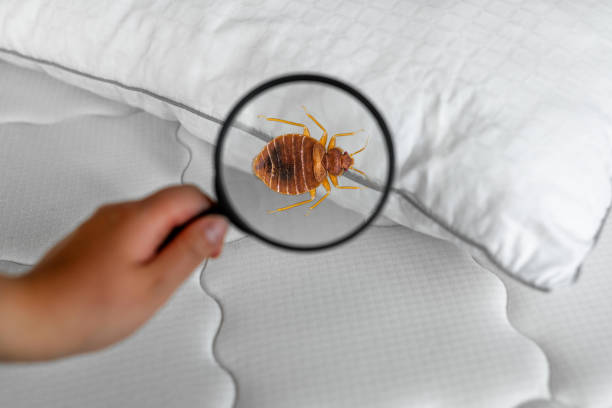
Bed bug management requires a strategic approach involving inspection, extermination, and prevention. Professional treatments like heat treatment, insecticide application, and steam cleaning effectively eliminate bed bugs at all life stages. Regular cleaning, sealing cracks, and using mattress encasements help prevent reinfestations. Since DIY methods are often ineffective, expert pest control ensures safe, long-lasting results for homes, hotels, and businesses
1. Signs of a Bed Bug Infestation
- Bite Marks: Red, itchy welts, often in a line or cluster.
- Blood Stains: Small red or brown spots on bedding and furniture.
- Fecal Droppings: Dark specks resembling ground pepper.
- Eggs & Shells: Tiny, white eggs in mattress seams, cracks, or furniture.
- Musty Odor: A strong, unpleasant scent from bed bug secretions
2. Professional Bed Bug Treatment Methods
🔸 Heat Treatment (Most Effective)
Raises room temperature to 120°F–140°F to kill bed bugs at all life stages.
Safe, chemical-free, and highly effective.
🔸 Chemical Treatment
Application of EPA-approved insecticides to eliminate bed bugs.
Includes residual sprays, dusts, and aerosols for long-term control.
🔸 Vacuuming & Steam Treatment
High-pressure steam at 200°F kills bed bugs in deep crevices.
HEPA vacuuming removes live bed bugs, eggs, and droppings.
🔸 Encasement & Traps
Mattress & Box Spring Covers: Prevent bed bugs from hiding inside bedding.
Bed Bug Monitors & Traps: Detect and reduce infestations.
3. Bed Bug Prevention Strategies
✅ Regularly inspect mattresses, furniture, and baseboards.
✅ Wash bedding, curtains, and clothes in hot water (130°F or higher).
✅ Reduce clutter to eliminate hiding spots.
✅ Seal cracks and crevices in walls, furniture, and floors.
✅ Be cautious when traveling—inspect hotel rooms and luggage.
4. Professional Pest Control
Regular inspections and treatments.
Safe application of chemicals.
Eco-friendly options available.